When you’re browsing the online aisles for a gift that’s as thoughtful as it is tasteful, the promise of a well‑curated Australian hamper can feel like a warm hug. Yet, the journey from “click” to “unboxing” can be riddled with bumps if the product descriptions leave you guessing. This article dives into the common pitfalls, real‑world consequences, and practical solutions that keep both shoppers and sellers on the same page—no more “what the heck is in that box?” moments.
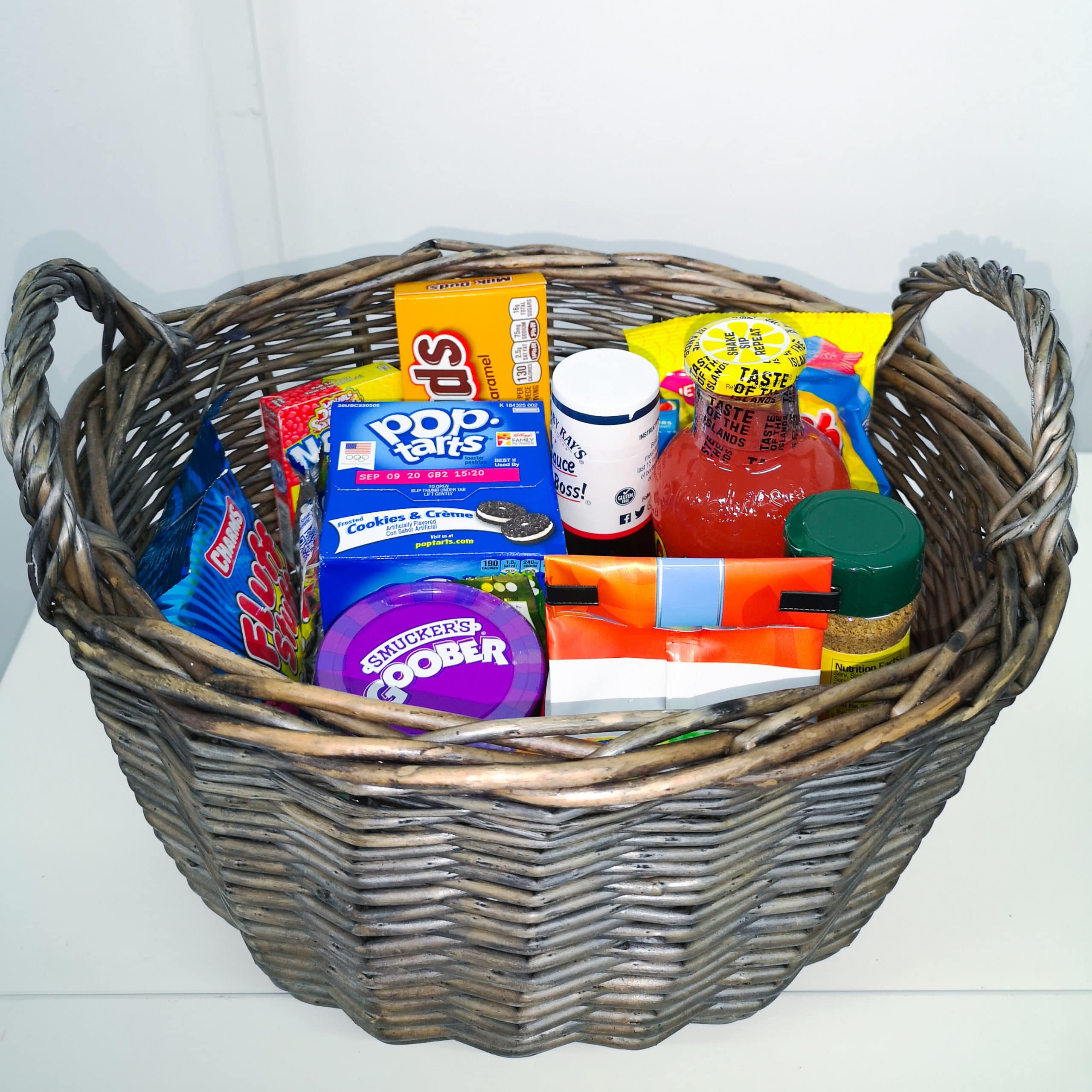
Why Product Descriptions Matter in the Hamper Market
The First Impression: Packaging vs. Text
A beautifully wrapped hamper can be a visual delight, but if the accompanying description is vague, the excitement fizzles faster than a carton of expired wine. Think of a product description as the handshake that follows a first date—if it’s weak, the connection evaporates.
Trust and Transparency in Online Shopping
In a digital marketplace where you can’t feel the texture of a cheese or sniff the aroma of a local honey, words become the only sensory guide. Clear, honest descriptions build trust, reduce returns, and keep customers coming back for more.
Common Pitfalls in Australian Hamper Descriptions
Ambiguous Language and Missing Details
- “Premium selection” without listing specific items “Handpicked” that could mean anything from artisanal to mass‑produced “Locally sourced” that isn’t defined—does it mean within Victoria or the entire country?
When the details are missing, buyers are left to fill in the blanks with imagination, which can lead to disappointment.
Overpromising and Underdelivering
Sometimes a description makes grand claims—“the finest truffle chocolate in the land”—only to deliver a generic brand. This mismatch erodes confidence and invites negative reviews.
Cultural Nuances and Regional Flavors
Australia’s diverse culinary landscape means that a “Melbourne” hamper might include different items than a “Sydney” one. Descriptions that don’t specify regional ingredients can confuse consumers expecting a particular taste profile.
Real-World Examples: When a Hamper Turns Out a Surprise
I once received a “premium Australian ham” for my sister’s birthday. The box promised “hand‑selected gourmet treats,” yet inside were generic crackers and a generic chocolate bar. The disappointment was palpable—like arriving at a five‑star hotel and finding a motel room. The real kicker? The product description had no item list, only a vague promise. This anecdote underscores how crucial precise details are in setting expectations.
The Impact on Consumer Confidence and Business Reputation
“Clarity in description is the cornerstone of consumer trust,” says Sarah Mitchell, a retail analyst at Australian Market Insights. When descriptions are unclear, the ripple effect can damage a brand’s reputation, increase return rates, and reduce word‑of‑mouth referrals. In a world where a single negative review can spread faster than a viral meme, clarity isn’t just nice—it’s essential.
Strategies for Sellers to Clear the Fog
- Use bullet lists for item breakdowns Include high‑resolution images of each product Specify origin and any certifications (e.g., “Fair‑trade certified”) Avoid jargon unless it’s widely understood by your target audience Update descriptions when inventory changes
Using Visuals and Interactive Elements
A photo carousel that zooms in on each item, or a short video tour of the hamper, turns abstract words into tangible experiences. Interactive elements like hover‑over pop‑ups can provide quick facts without cluttering the page.
Standardizing Terminology and Pricing
Create a glossary of terms used across your catalog. Consistency in how you describe items—such as Find out more using “artisan” versus “hand‑made”—helps customers quickly understand what they’re getting.
Leveraging Customer Reviews and FAQs
Encourage buyers to leave detailed reviews. These can serve as real‑world testimonials that fill in any gaps left by the description. A robust FAQ section can preempt common questions, reducing uncertainty.

Tips for Buyers to Spot Red Flags
- Look for itemized lists; if they’re absent, tread carefully Check for photos of each component—blank spots often mean “we don’t know” Read reviews for consistency between description and actual content Verify origin claims with certifications or links to suppliers Beware of generic terms that could mask lower‑quality items
The Future of Hamper Descriptions: AI and Personalisation
Artificial intelligence is stepping in to generate hyper‑personalised descriptions that adapt to a shopper’s preferences. Imagine a hamper description that instantly highlights the ingredients you love and suggests complementary items. AI can also flag vague language before a product goes live, ensuring every word is crystal clear.
Making Your Selection Count
Choosing a hamper is more than picking a pretty box—it’s about delivering a memorable experience. By demanding clear, item‑specific descriptions and supporting them with visuals, you protect yourself from disappointment and help sellers build a reputation https://cristiankmwf365.theburnward.com/luxury-wine-and-spa-gift-baskets-for-corporate-women-australia for honesty. Next time you’re tempted by that “premium” label, pause, scan the description, and ask yourself: Is this what I’m actually getting? If the answer is yes, you’re set for a gift that’s both thoughtful and trustworthy.
Ready to find the perfect hamper? Browse our curated collection today and experience the difference clear, honest product descriptions can make.